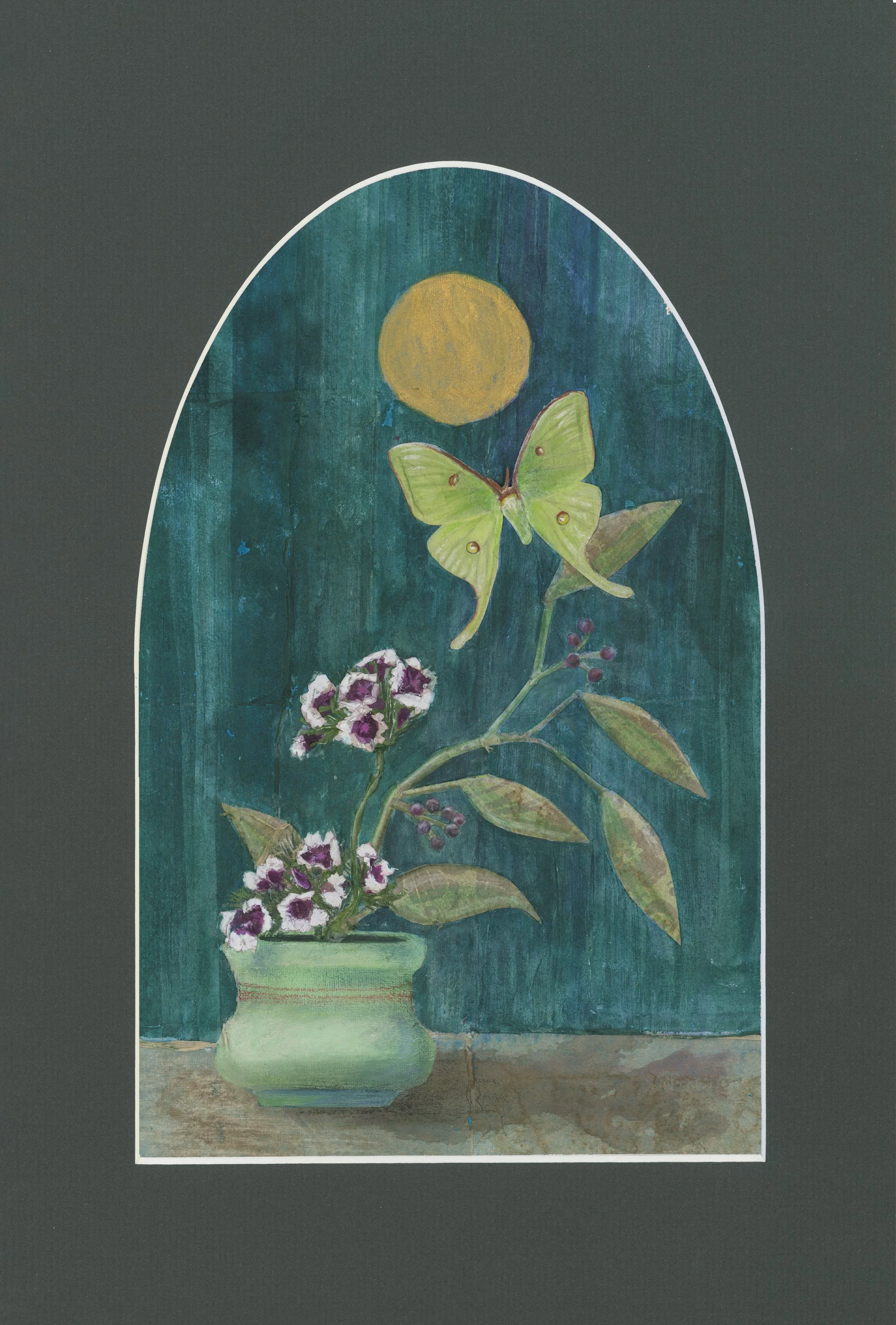
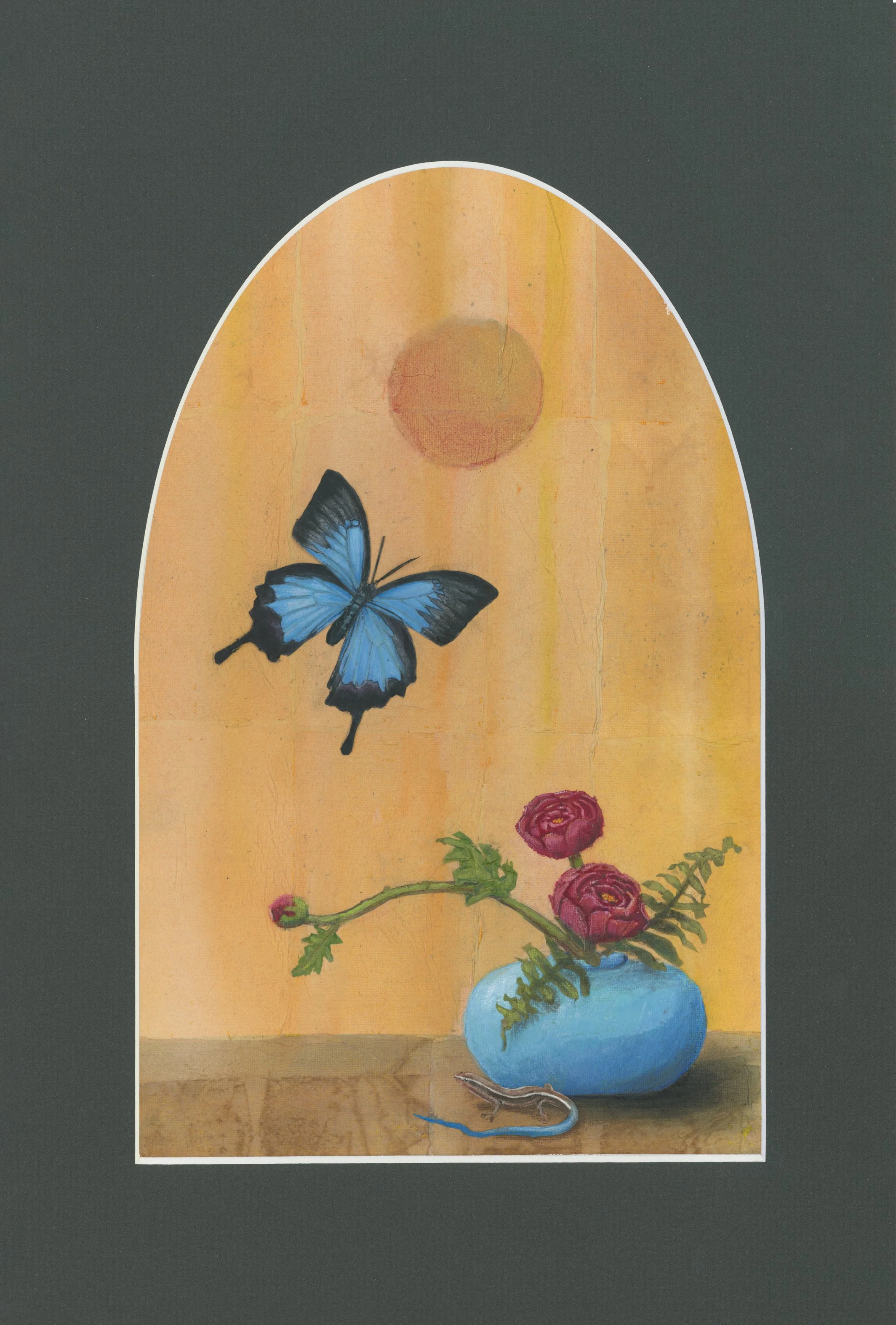
The Art of Arranging Fauna
It is true that my father sparked my love of birds and a good guidebook — be it on mushrooms or trees. He often comes up when I discuss my work as an artist and wildlife rehabilitator, as the man who gave me the lifelong gift of birds. My mother, however, played a quieter role, perhaps less obvious at first glance. She taught me, above all else, how to look closely at the world — to love it unabashedly. To hunt down the Calypso orchid nestled at the feet of old-growth giants. To find the wonderment in a Mountain Lady's Slipper streamside, and to understand the importance of visiting it yearly.
Over and over she would say "Dwarf Hesperochiron" as my clumsy seven-year-old self did my best to pronounce it — to remember the importance of its name. I have a distinct memory of squatting above this flower, its small white strawberry-like blooms hugging the freshly thawed ground, my mother telling me to look closely at the purple veining and dark stamens. She taught me about Monkey Flowers too — their propensity to gather around small springs and seepages, and how to count their spots: Three-spotted Monkey Flower, and five-spotted. How the bright orange flowers we saw clinging to the cliffsides were in fact Wallflowers, a biennial that only graced us with blooms every other year.
I learned not to pick wildflowers from my mother. Their lives, so fraught already, deserved to burn bright as long as possible — how could we have the right to end such a thing? She made it obvious, giving the reasons why, not just the rules.
We did, however, have a cut flower garden, and from it we would make arrangements together. Even here she would point out the small wonders: how carnations could smell of sweet cinnamon, and how snapdragons could hide tiny bees. Not every mother invites a five-year-old to arrange the 20-some-odd bouquets required for the cabins and bunkhouse. We lived on a college campus that ran one semester out of the year, but also hosted everything from retreats to PCT thru-hikers. And if they arrived when the garden was in bloom, they came to fresh-cut flowers in a mason jar, ribbons neatly curled on the rim. Even under the strain of prepping for arrivals, my mother would pause and allow me to do my best to artfully arrange — in mimicry of her — the flowers we had cut. When our garden didn't furnish enough, a local flower farmer brought them by the bucketful. She also happened to be my kindergarten through second-grade teacher, and on my desk every week sat my own mini flower arrangement.
So it is no surprise that when I discovered an old tome titled The Art of Arranging Flowers — or perhaps that was the subtitle and Ikebana was the title; my memory is fuzzy here — I was drawn immediately to its pages. I was maybe seven. The white cover, the few color plates, and the feel of the pages seem indelibly etched in my mind's eye. I did a whole book report on it, including bringing in flower arrangements. I'm not even sure it was assigned. I was simply that enamored, and the adults in my life recognized that wonderment and played along.
Now, at nearly forty — almost the age at which my mother brought me into this world — I recognize so much of her in my artwork, in how I choose to step carefully and mind the flowers as I move through this world. I will not wait to honor her, as some artists do, until she is no longer here. I wish to do so now.
This series is for you, Mom. Thank you for teaching me to look closely at this world — to relish in its beauty, to know the names of wildflowers, to grace the table with what brings you joy, to hold space for just how miraculous it all is.
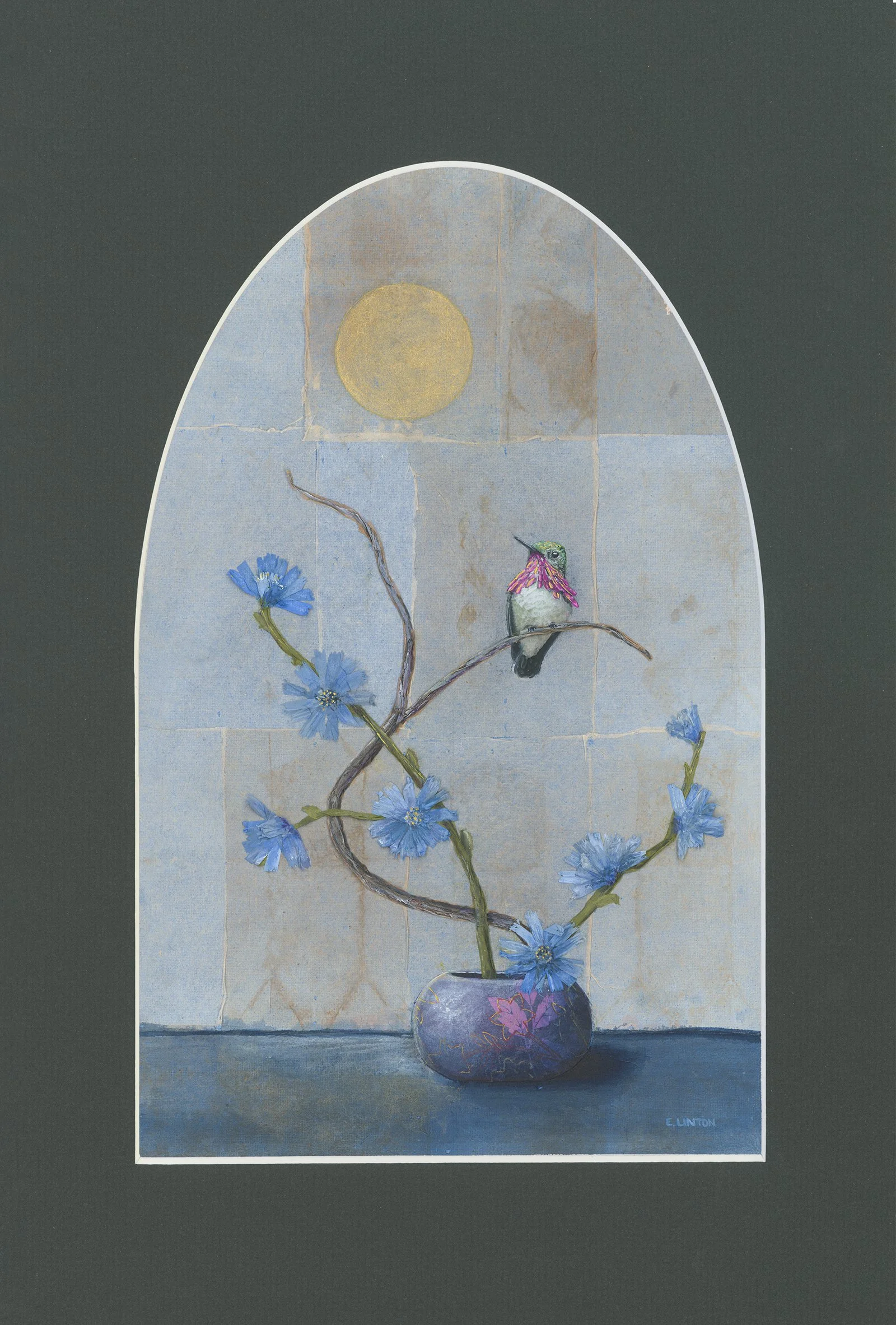
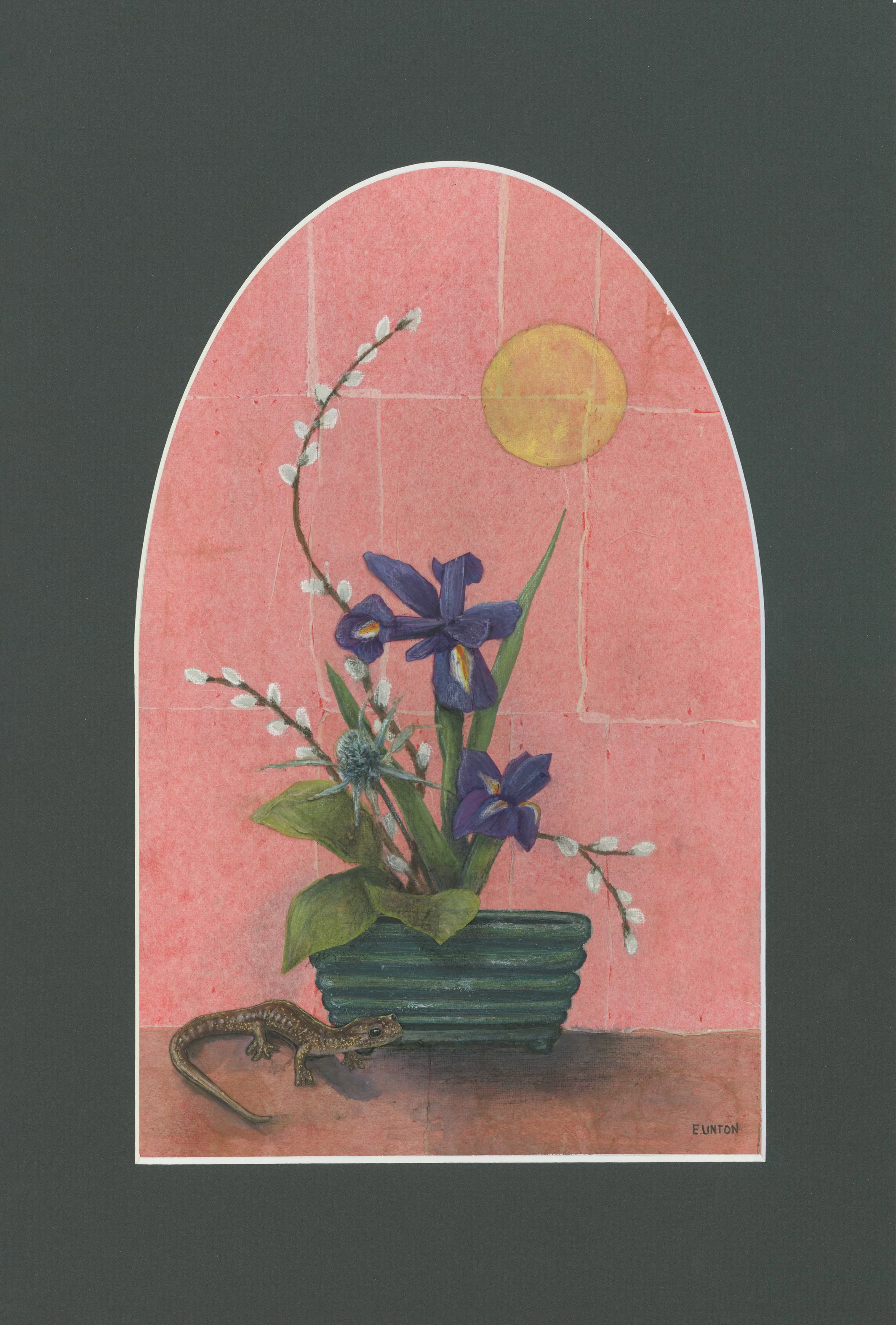
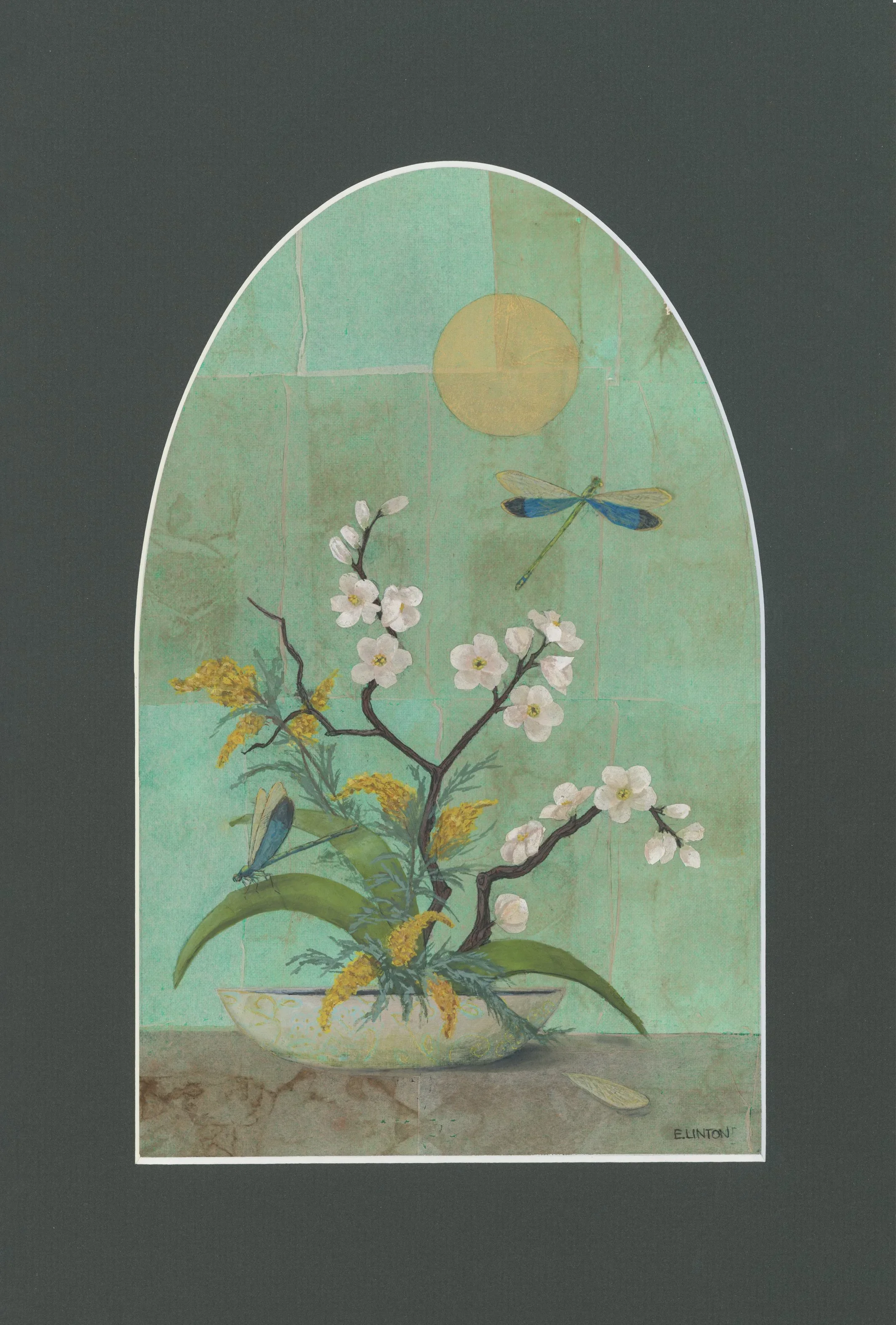
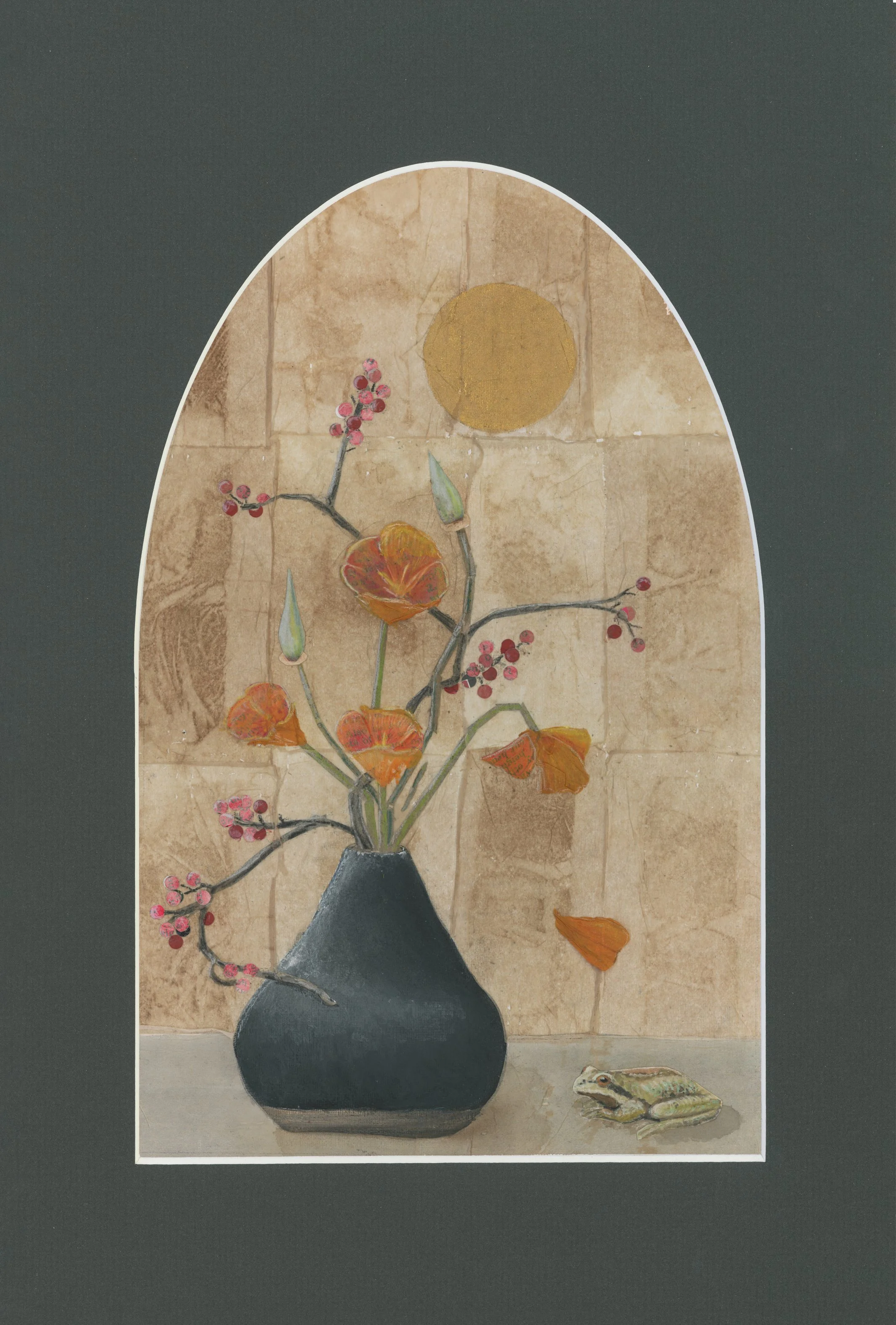
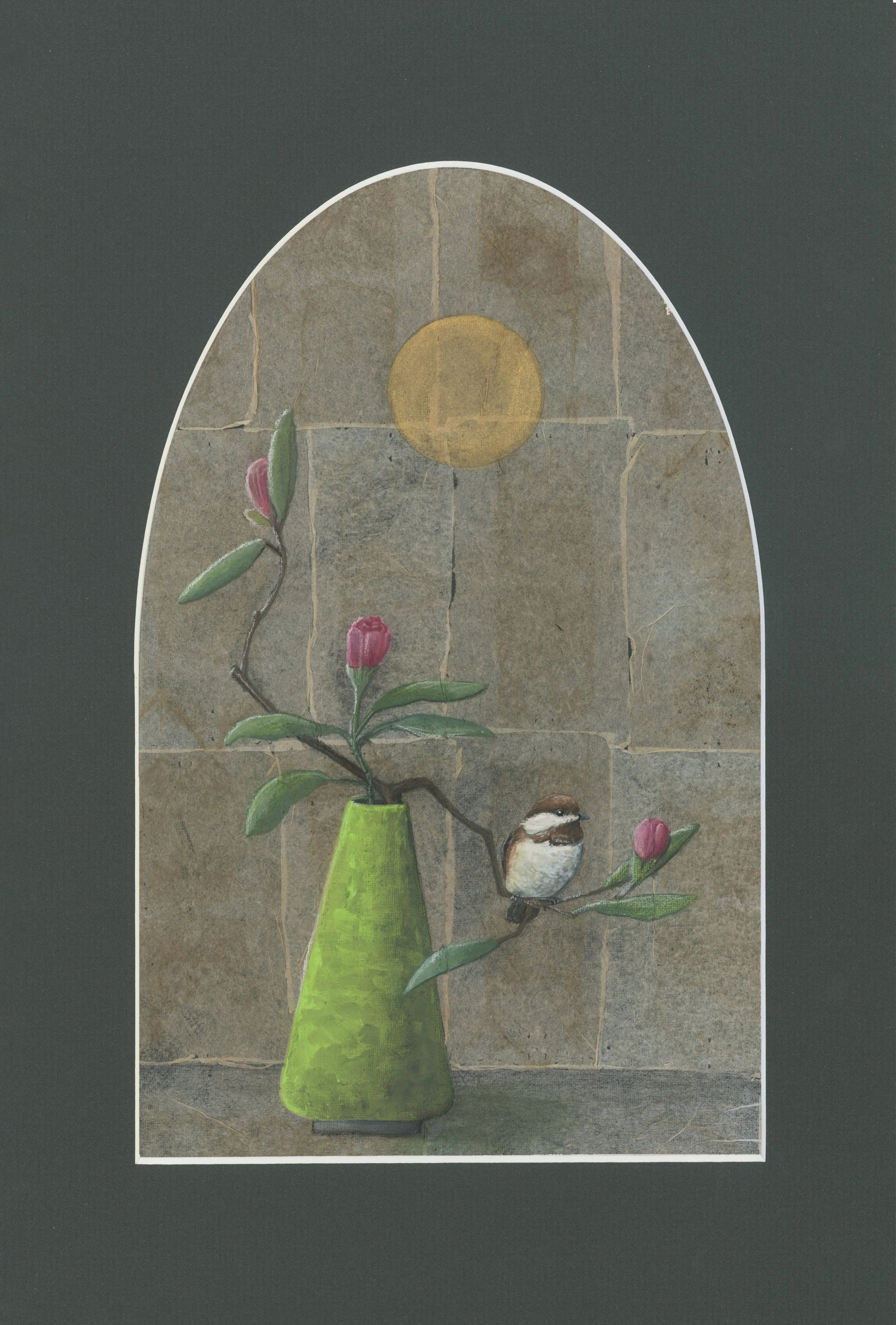
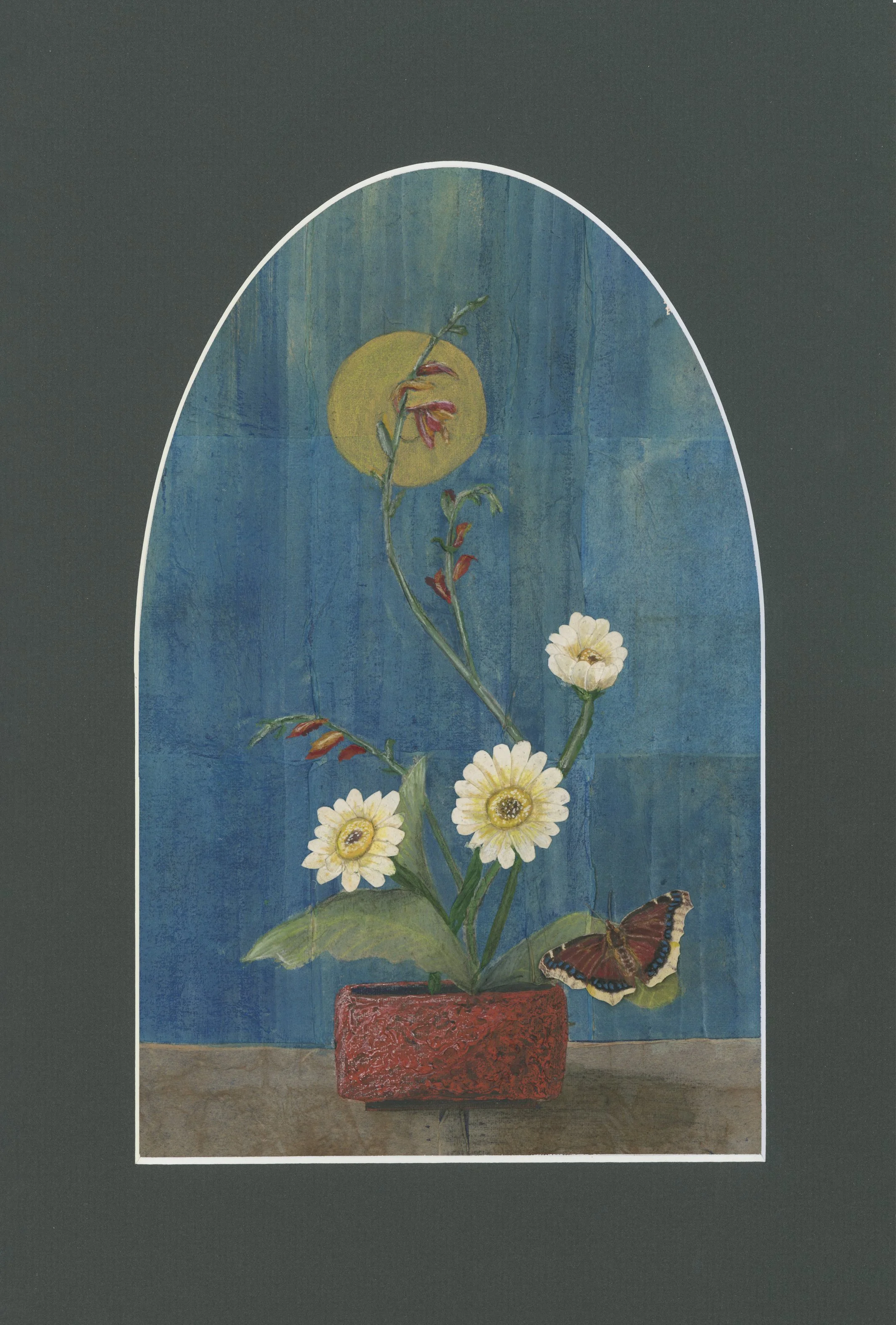
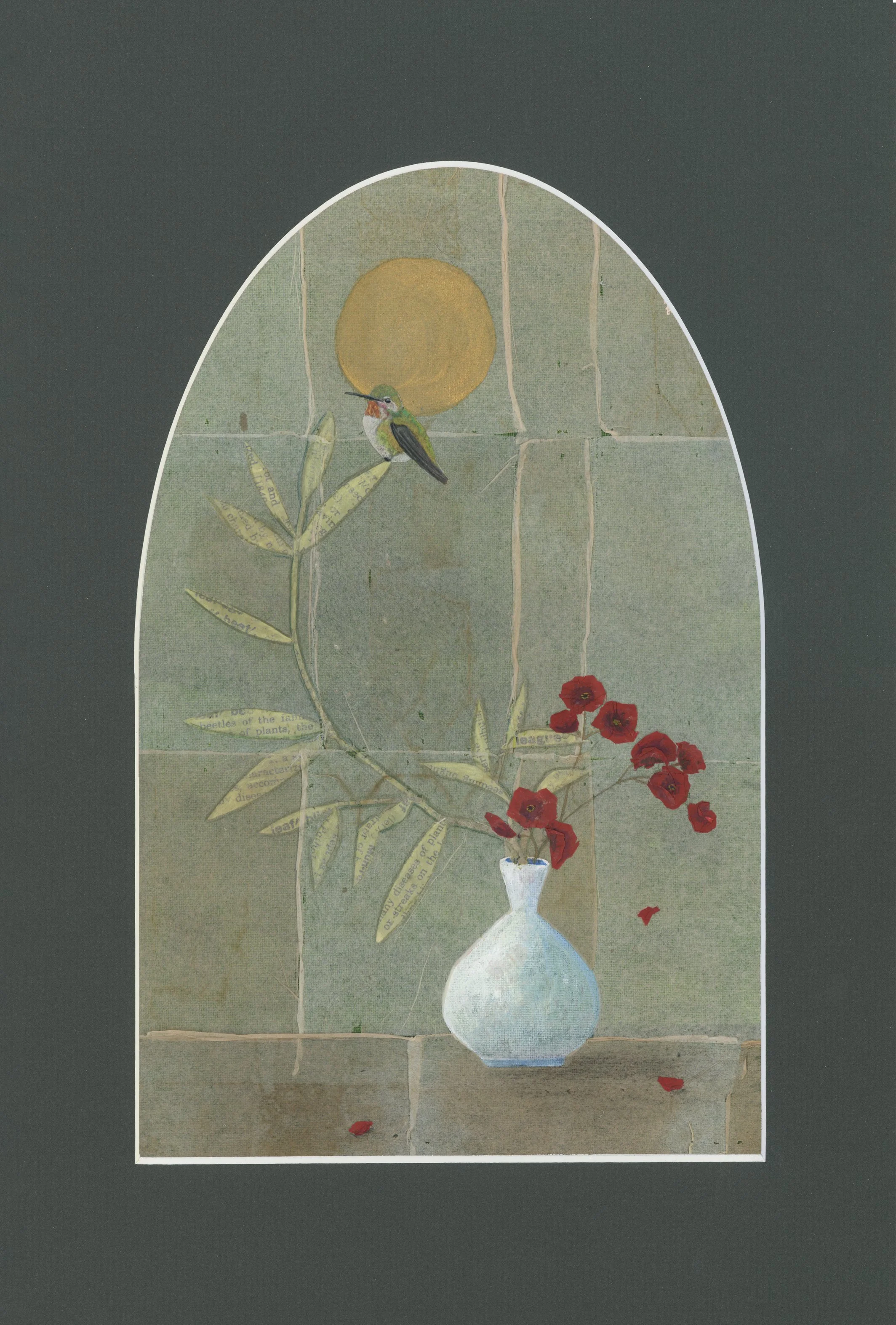
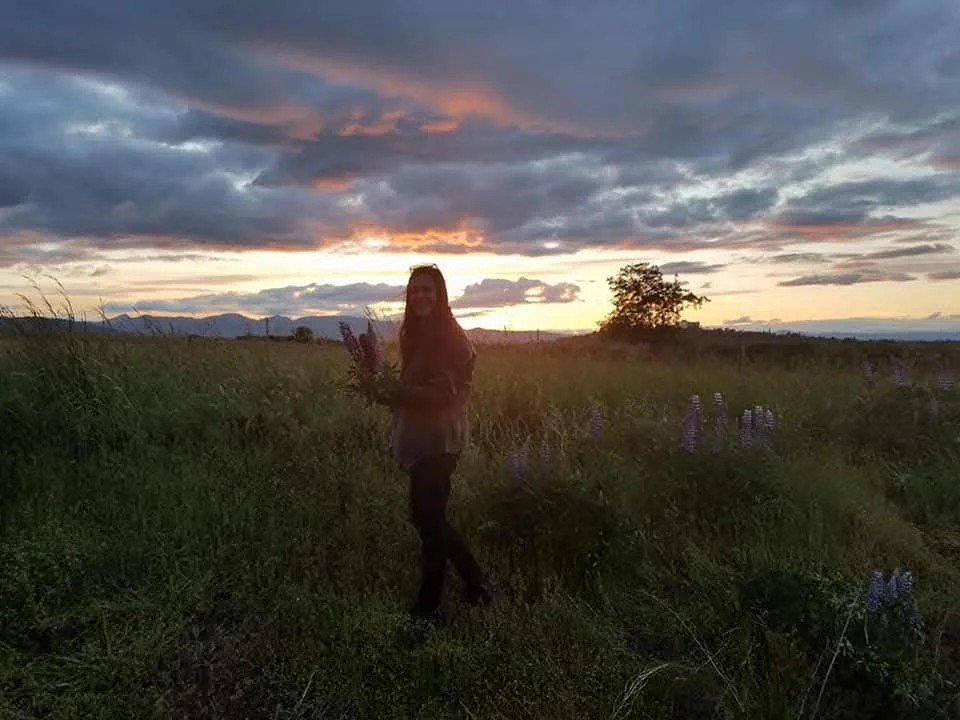
This one is for you
Thank you for teaching me to always hold space for just how miraculous it all is.
Vivamus pellentesque vitae neque at vestibulum. Donec efficitur mollis dui vel pharetra.